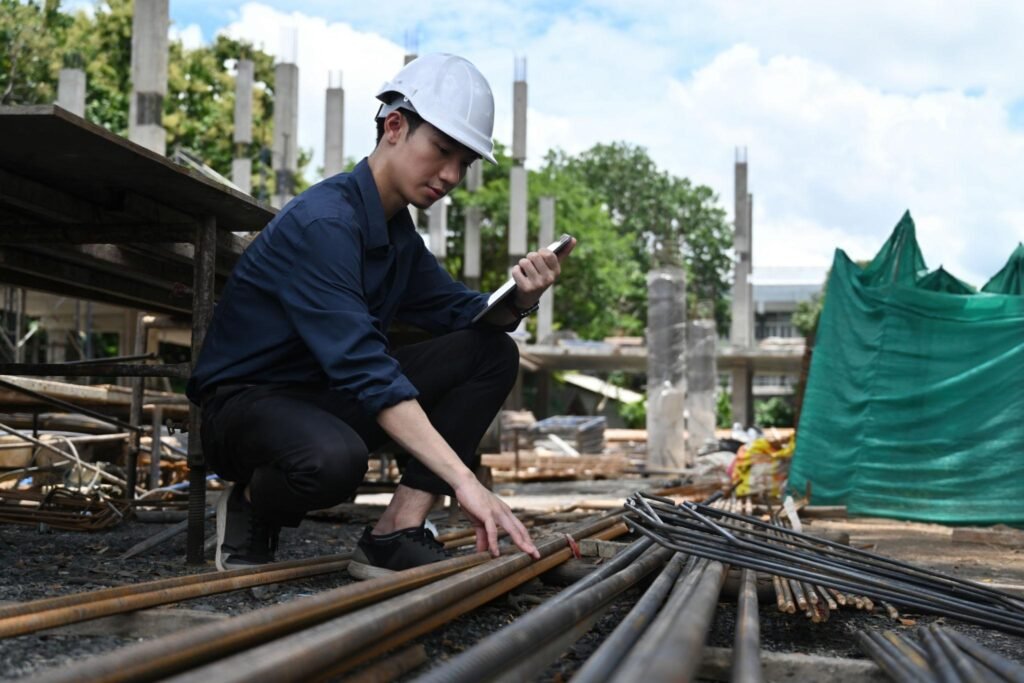
Reinforcement steel is one of the most critical components in reinforced concrete construction. Proper reinforcement placement ensures structural strength, stability, ductility, and long-term durability.
Even high-quality concrete cannot perform properly if reinforcement inspection is ignored. Incorrect spacing, poor anchorage, insufficient cover, or improper lap lengths can lead to cracks, structural weakness, excessive deflection, and costly repairs.
Therefore, reinforcement quality control is a major responsibility for every site engineer, QA/QC engineer, structural inspector, and project manager.
This guide explains the most important reinforcement quality checks for different structural elements including foundations, beams, columns, one-way systems, two-way systems, post-tensioned members, waffle systems, shear walls, and staircase reinforcement.
Importance of Reinforcement Inspection
Proper reinforcement inspection helps:
- Improve structural strength
- Prevent cracks and failures
- Maintain design safety
- Reduce rework on site
- Improve durability
- Ensure code compliance
In addition, proper reinforcement placement improves load transfer and earthquake resistance.
1. Reinforcement Material Quality Checks
Inspection begins before steel placement starts on site.
Important Material Checks
- Verify steel grade
- Confirm approved manufacturer
- Check test certificates
- Inspect bar diameter
- Ensure steel is free from excessive rust
- Check bending quality
Storage Checks
- Store reinforcement above ground level
- Protect steel from water exposure
- Separate bars according to diameter
Common Problems
- Bent bars due to poor handling
- Corrosion caused by improper storage
- Mixing of different grades
2. Foundation Reinforcement Inspection
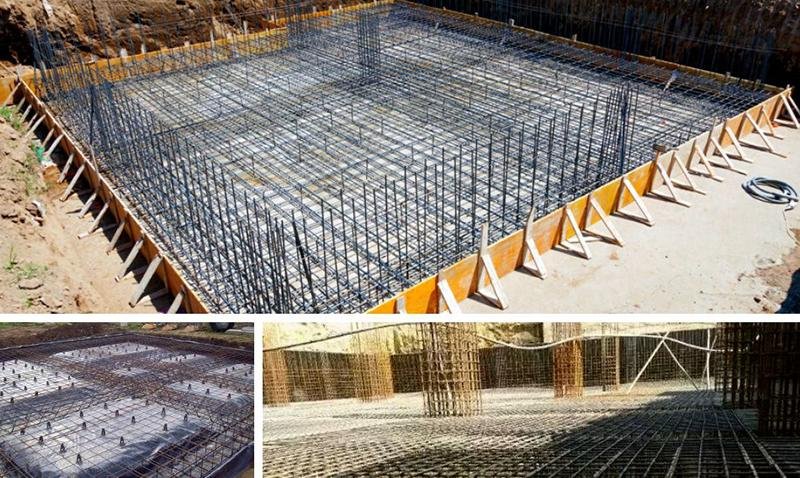
Foundations transfer structural loads safely to the soil. Therefore, reinforcement quality in footing areas is extremely important.
Key Inspection Points
- Verify bar diameter and spacing
- Check bottom cover blocks
- Inspect reinforcement layout
- Confirm anchorage length
- Ensure proper lap location
- Verify column starter bars
Common Site Mistakes
- Missing cover blocks
- Incorrect spacing
- Improper overlap lengths
- Displaced reinforcement during concreting
As a result, foundation performance may reduce significantly.
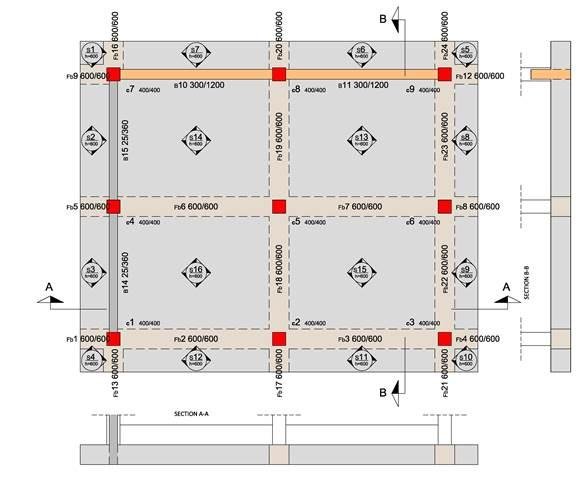
3. Beam Reinforcement Quality Checks
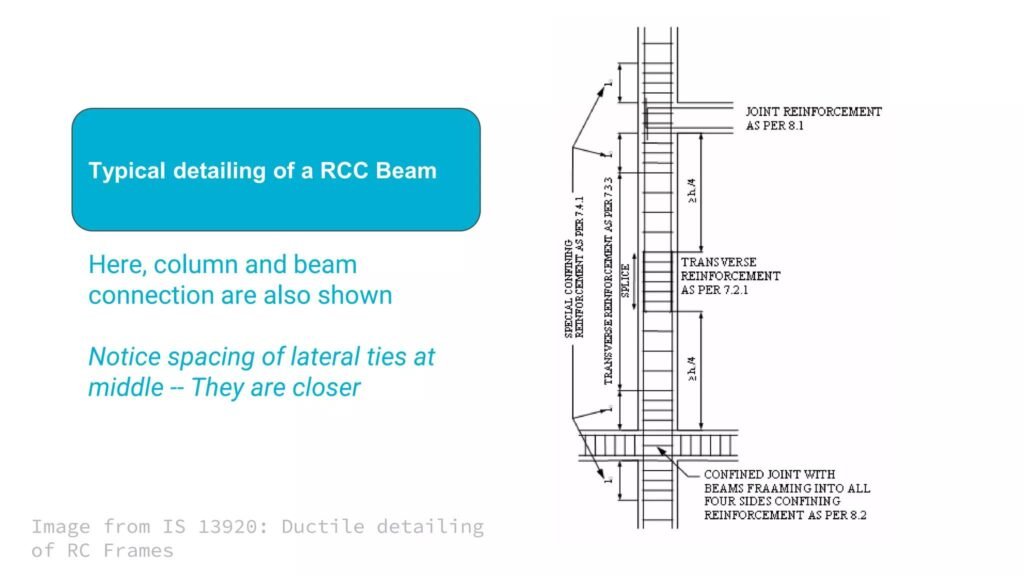
Beams carry bending and shear forces. Proper reinforcement detailing is essential for structural safety.
Important Beam Checks
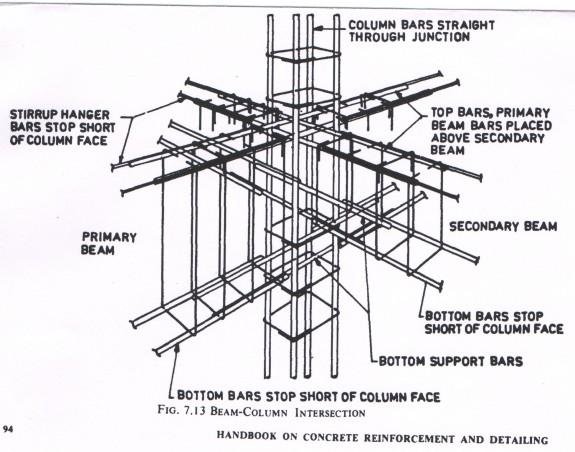
- Verify top and bottom reinforcement
- Inspect stirrup spacing
- Check crank bar placement
- Confirm development length
- Ensure proper beam-column junction detailing
Additional Inspection Points
- Verify clear cover
- Check stirrup hook angles
- Inspect extra reinforcement at supports
Common Defects
- Missing stirrups
- Improper anchorage
- Incorrect bar curtailment
Poor beam reinforcement may lead to cracks and deflection.
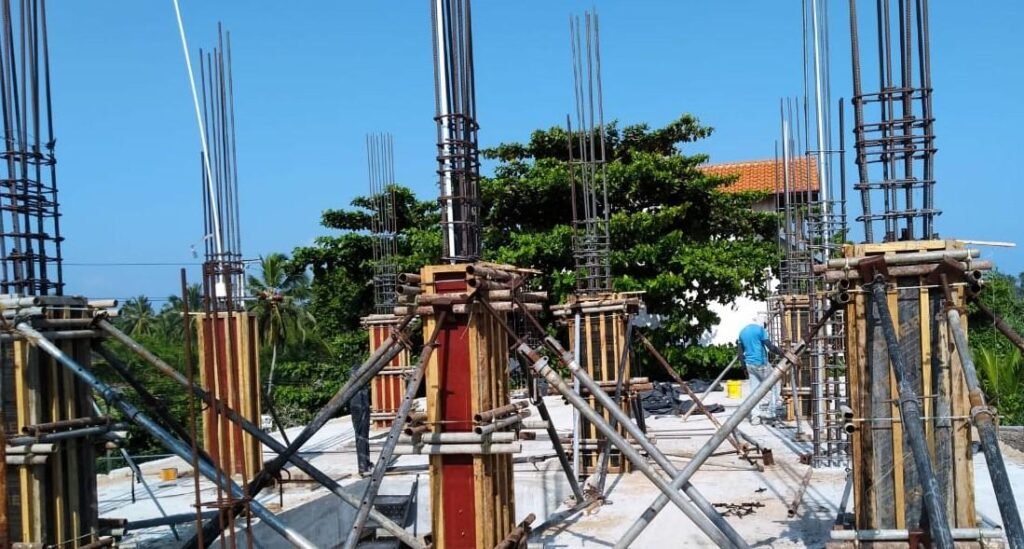
4. Column Reinforcement Inspection
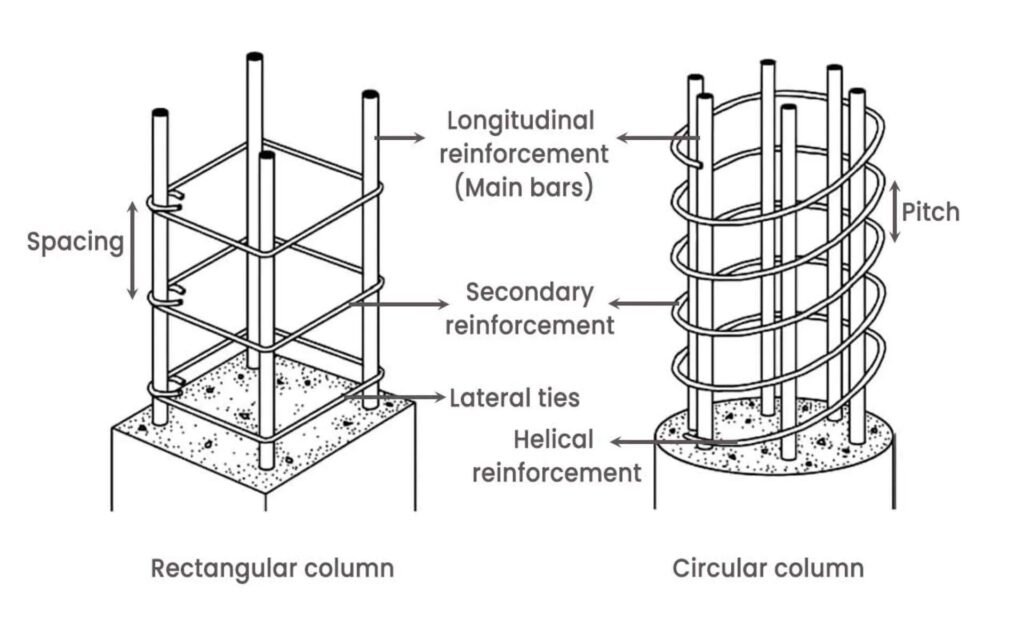
Columns are compression members that support vertical loads from the structure.
Important Column Checks
- Verify vertical bar diameter
- Inspect reinforcement spacing
- Check lap position
- Confirm tie spacing
- Ensure proper alignment
Tie Reinforcement Checks
- Verify tie hook angle
- Inspect spacing near joints
- Ensure tight binding
Common Problems
- Congested reinforcement
- Improper lap placement
- Misalignment of starter bars
Consequently, column stability may reduce during loading conditions.
5. One-Way Reinforcement System Checks
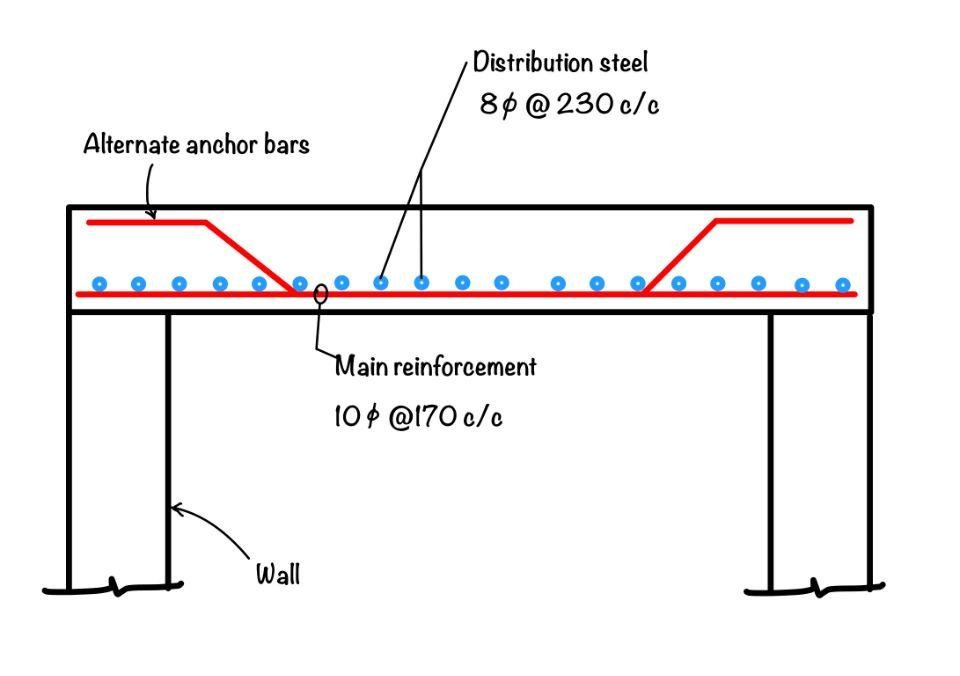
One-way structural systems transfer loads primarily in one direction.
Important Inspection Points
- Verify main reinforcement direction
- Check distribution reinforcement
- Confirm edge detailing
- Inspect cover blocks
- Ensure proper spacing
Common Mistakes
- Incorrect bar direction
- Missing distribution reinforcement
- Uneven spacing
Proper inspection helps prevent excessive deflection and cracking.
6. Two-Way Reinforcement System Checks
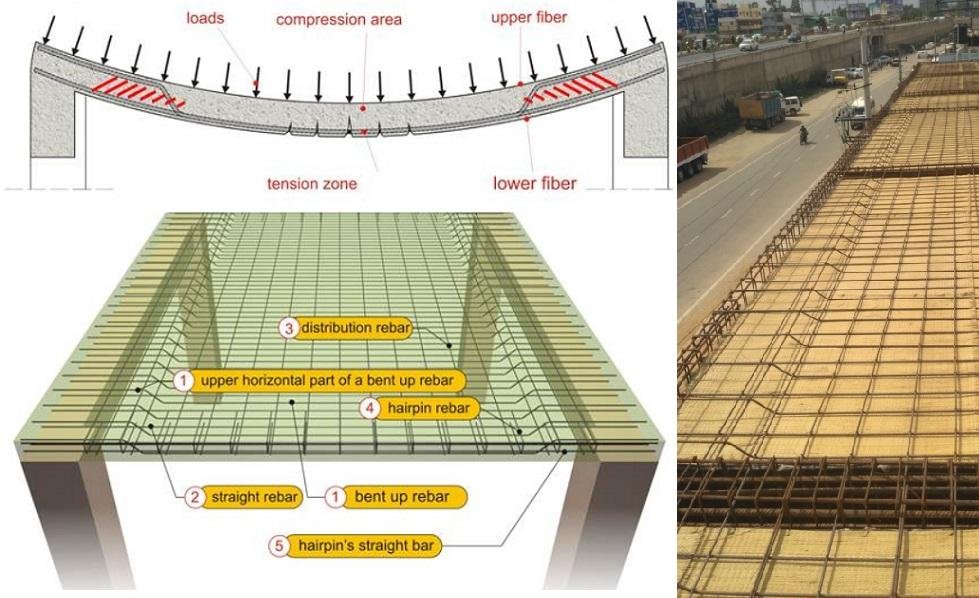
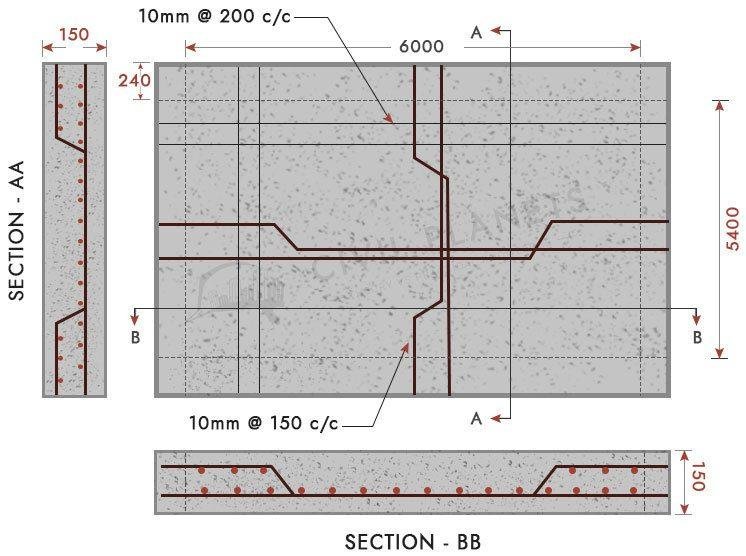
Two-way structural systems distribute loads in both directions.
Important Checks
- Verify reinforcement in both directions
- Inspect corner reinforcement
- Confirm spacing consistency
- Check top reinforcement at supports
Common Problems
- Incorrect spacing
- Missing corner bars
- Improper top reinforcement placement
As a result, load distribution may become uneven.
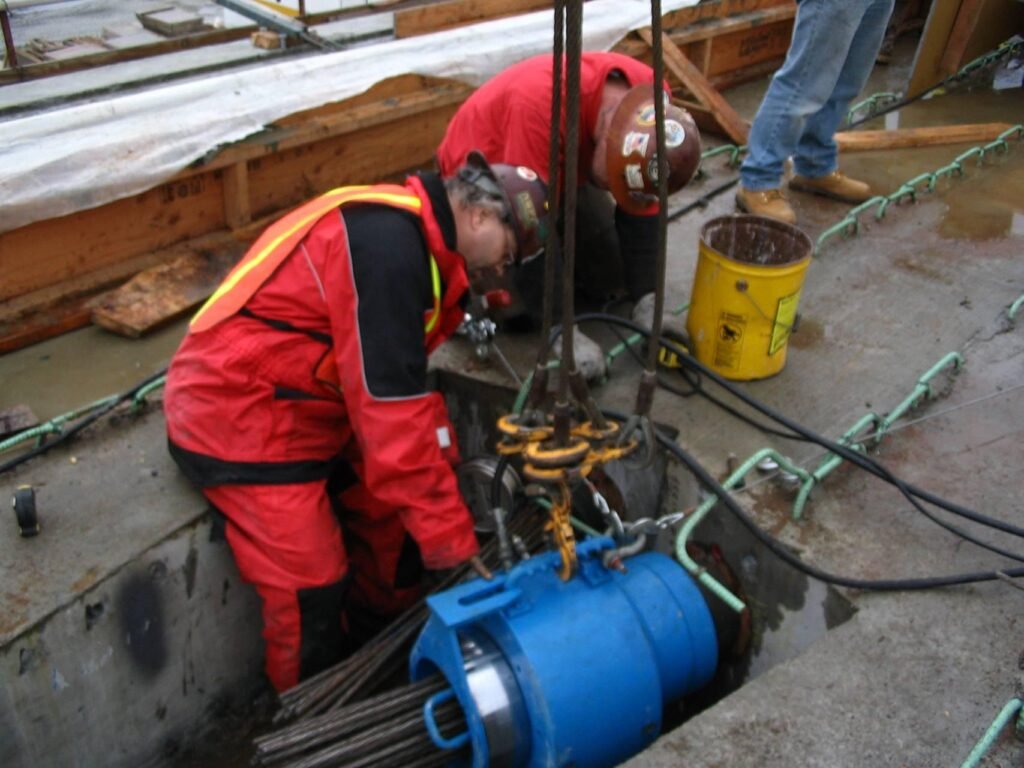
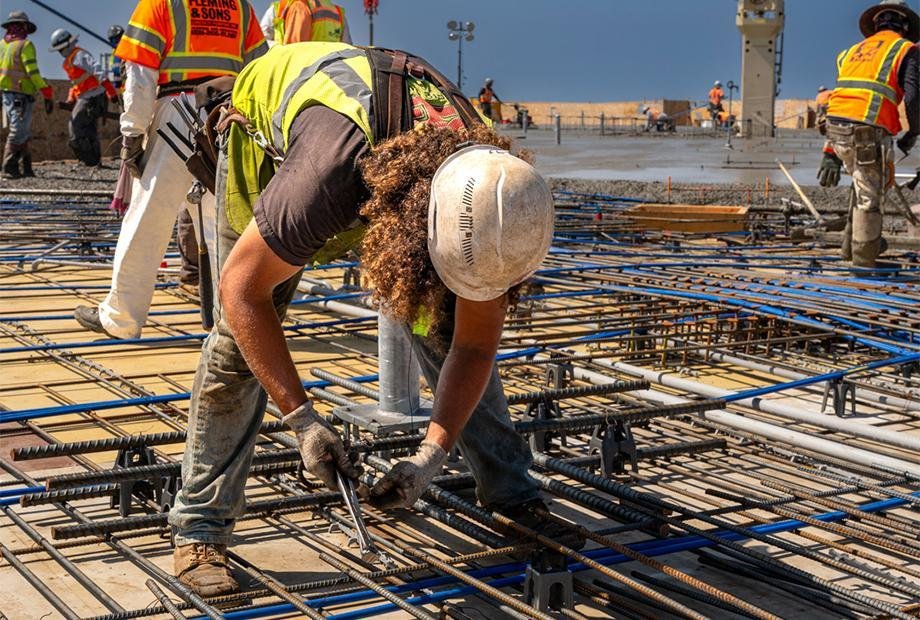
7. Post-Tensioned System Reinforcement Checks
Post-tensioned construction requires strict quality control because tendons carry high stresses.
Important Inspection Points
- Verify tendon profile
- Check anchorage positions
- Confirm duct alignment
- Inspect stressing zones
- Ensure proper chair support placement
Additional Checks
- Verify grout quality
- Inspect tendon spacing
- Confirm approved stressing sequence
Common Defects
- Tendon displacement
- Poor anchorage fixing
- Inadequate grouting
Improper PT installation can create serious structural problems.
8. Waffle System Reinforcement Inspection
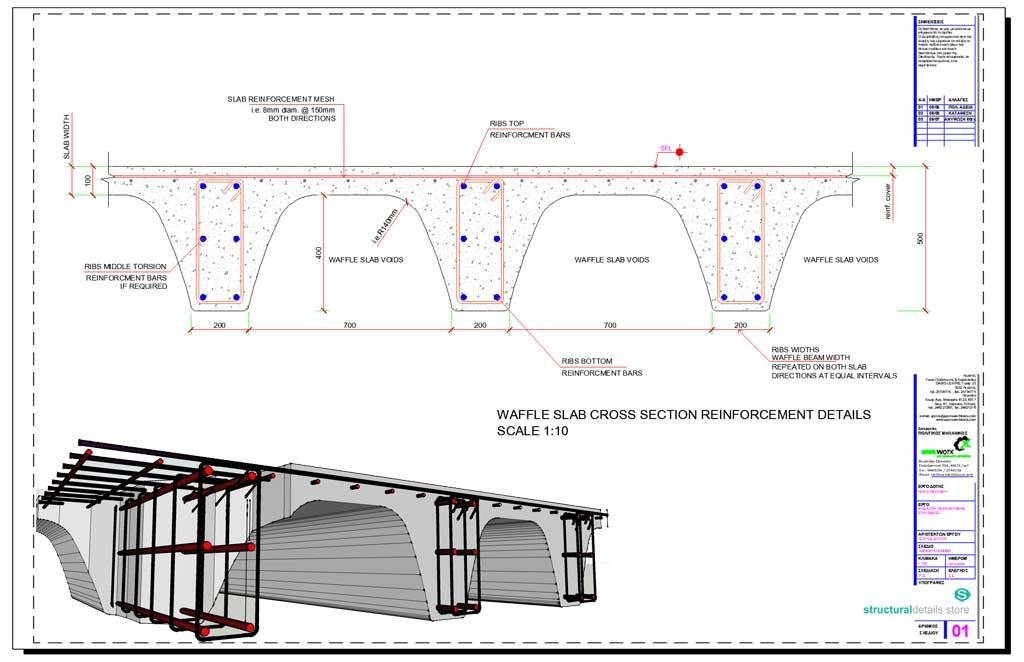
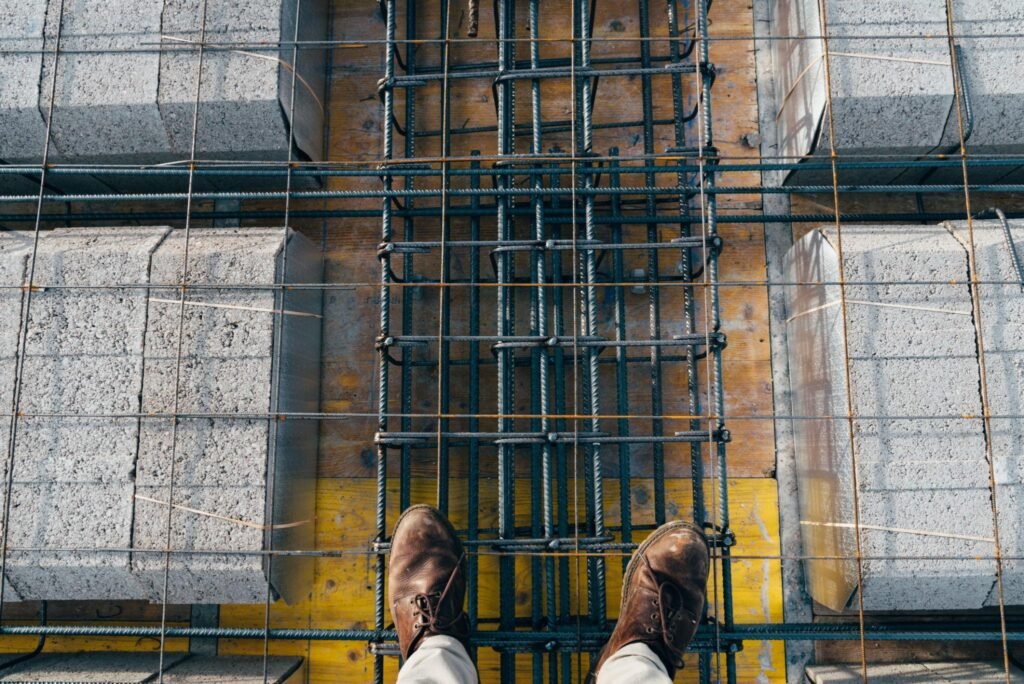
Waffle systems reduce dead load while maintaining structural strength.
Important Checks
- Verify rib reinforcement
- Inspect mesh placement
- Check spacing consistency
- Confirm mold alignment
Common Problems
- Incorrect reinforcement positioning
- Uneven rib dimensions
- Missing reinforcement at intersections
Therefore, supervision is essential during installation.
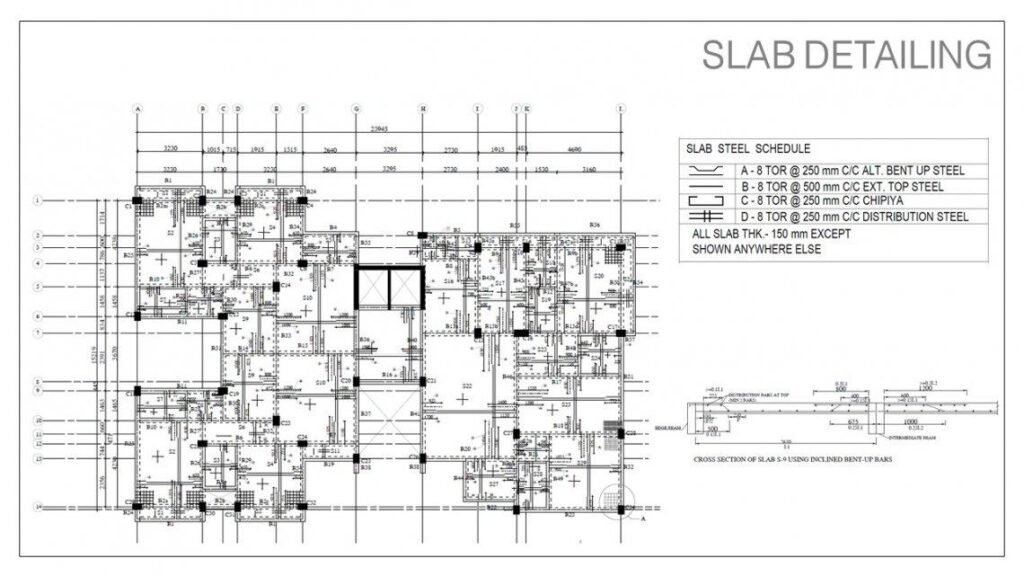
9. Flat Plate Reinforcement Checks
Flat plate systems require careful punching shear inspection around columns.
Inspection Checklist
- Verify top reinforcement around supports
- Inspect drop panel reinforcement
- Check punching shear reinforcement
- Confirm spacing requirements
Common Defects
- Insufficient top reinforcement
- Missing shear reinforcement
- Incorrect cover
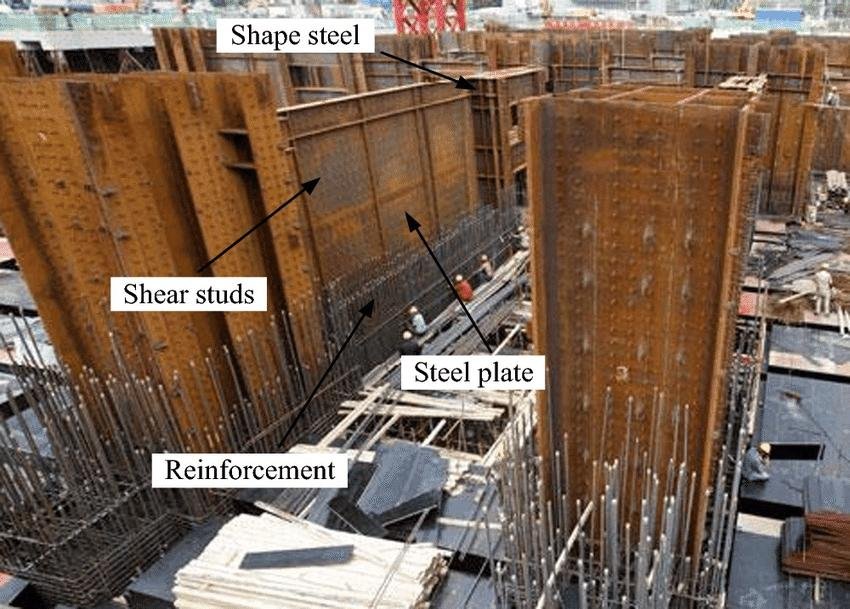
10. Shear Wall Reinforcement Inspection
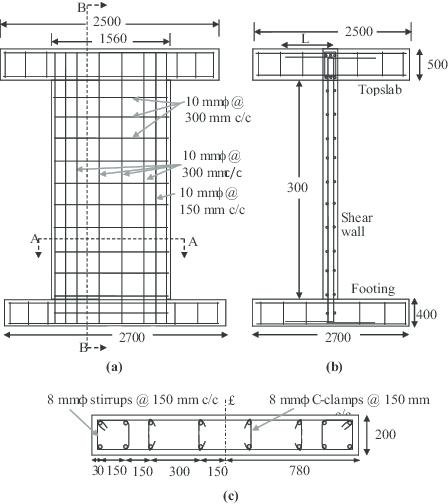
Shear walls resist lateral loads caused by wind and earthquakes.
Important Checks
- Verify vertical reinforcement
- Inspect horizontal reinforcement
- Check boundary element detailing
- Confirm lap lengths
- Ensure coupling beam reinforcement
Additional Inspections
- Verify openings reinforcement
- Check alignment and cover
Common Problems
- Congested reinforcement
- Improper bar anchorage
- Missing confinement reinforcement
Proper shear wall detailing improves seismic performance significantly.
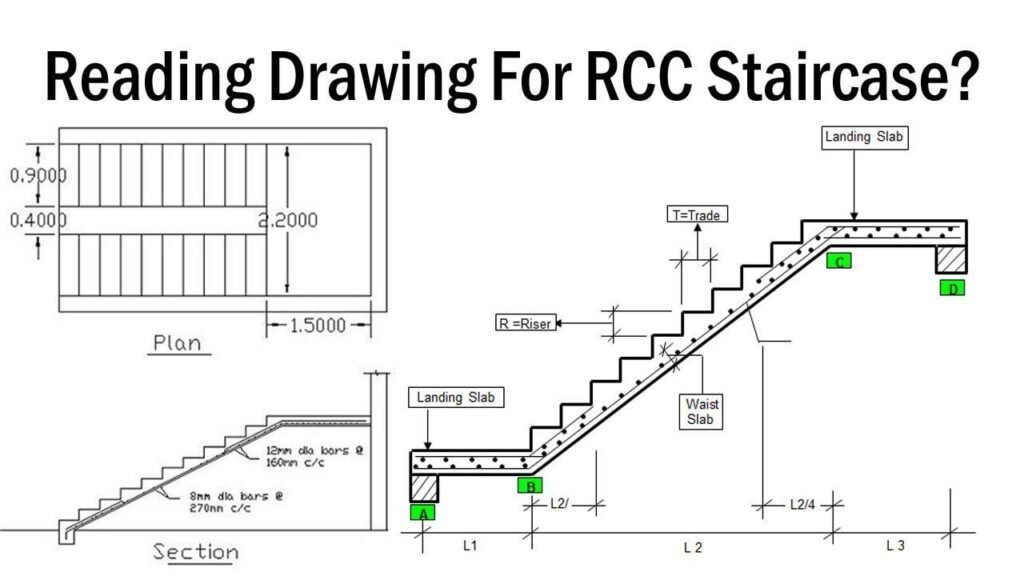
11. Staircase Reinforcement Inspection
Staircases require proper reinforcement for safe load transfer.
Important Checks
- Verify waist reinforcement
- Inspect landing reinforcement
- Confirm spacing and cover
- Check support anchorage
Common Problems
- Incorrect bar bending
- Missing extra reinforcement
- Improper support detailing
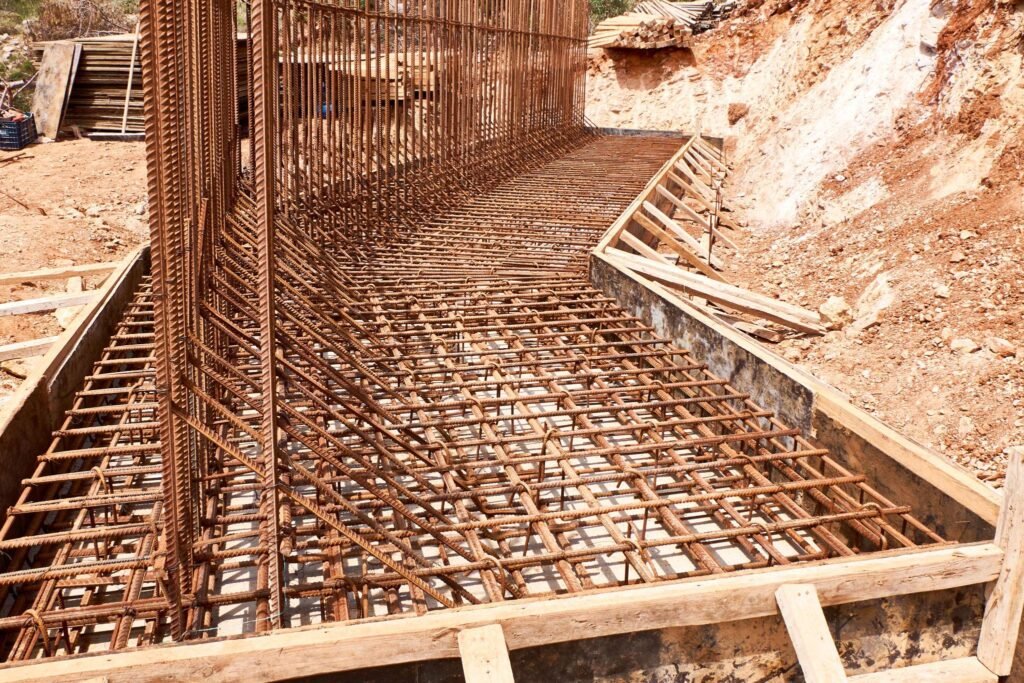
12. Retaining Wall Reinforcement Checks
Retaining walls resist soil pressure and lateral loads.
Inspection Checklist
- Verify vertical reinforcement
- Check heel and toe reinforcement
- Inspect shear key reinforcement
- Confirm spacing and cover
Common Defects
- Incorrect bar placement
- Missing distribution bars
- Poor anchorage
13. Reinforcement Cover Inspection
Concrete cover protects steel from corrosion and fire exposure.
Important Checks
- Verify cover block thickness
- Ensure proper placement
- Avoid damaged cover blocks
Common Problems
- Insufficient cover
- Displaced cover blocks
- Uneven concrete cover
Improper cover can lead to reinforcement corrosion and durability issues.
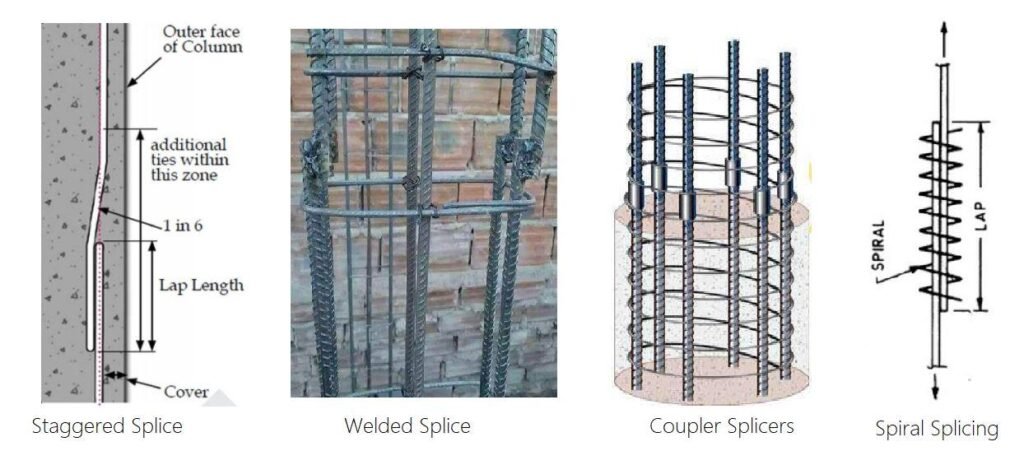
14. Lap Length and Anchorage Checks
Lap lengths ensure proper force transfer between reinforcement bars.
Important Inspection Points
- Verify lap length as per drawings
- Avoid laps at maximum stress zones
- Inspect staggered lap placement
Common Mistakes
- Short laps
- Congested lap zones
- Improper anchorage bends
These issues may weaken structural performance.
15. Binding and Fixing Quality Checks
Proper tying prevents displacement during concreting.
Important Checks
- Ensure tight binding wire
- Verify reinforcement stability
- Inspect support chairs and spacers
Common Problems
- Loose binding
- Reinforcement movement during pouring
- Missing spacer bars
16. Pre-Concreting Reinforcement Inspection
Final inspection before concreting is one of the most important quality steps.
Pre-Pour Checklist
- Verify approved drawings
- Inspect spacing and cover
- Check cleanliness
- Confirm reinforcement approval
- Ensure embedded items are fixed properly
In addition, engineers should verify that no loose rust or debris remains.
Common Reinforcement Defects Found on Site
Several reinforcement issues appear frequently on construction projects.
Frequently Observed Problems
- Improper spacing
- Incorrect bar diameter
- Missing reinforcement
- Insufficient concrete cover
- Poor anchorage
- Congested reinforcement
- Displaced bars during concreting
Most defects occur due to poor supervision or lack of inspection.
Best Practices for Reinforcement Quality Control
Follow Approved Structural Drawings
Always use latest approved drawings on site.
Maintain Proper Cover
Correct cover improves durability and fire resistance.
Conduct Regular Inspections
Frequent inspections reduce errors during execution.
Ensure Skilled Supervision
Experienced engineers should monitor reinforcement works continuously.
Maintain Documentation
Keep inspection records, checklists, and approval reports.
Proper QA/QC procedures reduce future structural defects significantly.
Future Trends in Reinforcement Inspection
Modern construction projects increasingly use advanced technologies for quality control.
Emerging Trends
- BIM-based reinforcement coordination
- AI-powered inspection systems
- Digital reinforcement tracking
- Drone-based monitoring
- 3D reinforcement modeling
These technologies improve accuracy and reduce construction errors.
Final Thoughts
Reinforcement quality inspection is one of the most important activities in construction projects. Even small mistakes in spacing, anchorage, laps, or cover can affect structural safety and long-term durability.
Therefore, every engineer must understand proper reinforcement inspection procedures for foundations, beams, columns, shear walls, post-tensioned systems, waffle structures, and other structural components.
Strong reinforcement quality control helps:
✔ Improve structural safety
✔ Increase durability
✔ Reduce rework
✔ Prevent structural defects
✔ Improve construction quality
In modern construction, proper reinforcement inspection is not just a checklist activity — it is a critical step toward building safe and durable structures for the future.
Frequently Asked Questions (FAQs)
1. What are reinforcement quality checks?
Reinforcement quality checks are inspections performed before concreting to verify bar size, spacing, cover, lap length, anchorage, and structural detailing.
2. Why is concrete cover important for reinforcement?
Concrete cover protects reinforcement steel from corrosion, moisture, and fire exposure while improving durability.
3. What is the purpose of lap length in reinforcement?
Lap length ensures proper force transfer between reinforcement bars and maintains structural continuity.
4. Why is reinforcement spacing important?
Proper spacing ensures correct load distribution, proper concrete flow, and adequate bonding between steel and concrete.
5. What are common reinforcement defects found on site?
Common defects include incorrect spacing, insufficient cover, missing reinforcement, poor anchorage, short laps, and loose binding.
6. Why are shear walls important in buildings?
Shear walls resist lateral forces caused by wind and earthquakes, improving building stability.
7. What is special about post-tensioned reinforcement inspection?
Post-tensioned systems require strict inspection of tendon alignment, anchorage, duct placement, and stressing procedures.
8. What happens if reinforcement inspection is ignored?
Poor reinforcement quality can lead to cracks, structural weakness, excessive deflection, corrosion, and even structural failure.