Introduction
Aluminum form work systems, commonly known as Mivan or Aluform systems, have revolutionized modern construction by enabling faster construction cycles, improved dimensional accuracy, and superior concrete finishes. However, the success of any aluminum form work project depends heavily on how the form work is handled, inspected, and maintained after each concrete pour.
The first pour is particularly critical. It provides valuable insights into the performance of the form work system and reveals defects that can affect future pours if left unattended. Many construction projects experience recurring quality issues because damaged panels, misaligned components, and poor maintenance practices are ignored after the first cycle.
This article discusses the most common aluminum form work problems observed after the first concrete pour and practical methods to prevent them.
Why the First Pour Matters
The first concrete pour acts as a performance test for the entire form work system. During stripping and inspection, engineers can identify:
- Panel deformation
- Joint leakages
- Alignment issues
- Surface finish defects
- Accessory damage
- Improper erection practices
Addressing these issues immediately can significantly improve quality and productivity in subsequent cycles.
1. Concrete Residue Sticking to Form work Panels
One of the most common issues after the first pour is hardened concrete adhering to the panel surfaces.
Causes
- Insufficient release agent application
- Delayed cleaning after stripping
- Poor-quality shuttering oil
Impact
- Rough concrete finish
- Increased stripping effort
- Reduced panel lifespan
How to Avoid It
- Apply a uniform coat of approved release agent before each pour.
- Clean panels immediately after dismantling.
- Use plastic scrapers instead of metal tools that can damage panel surfaces.
2. Bent or Distorted Panels
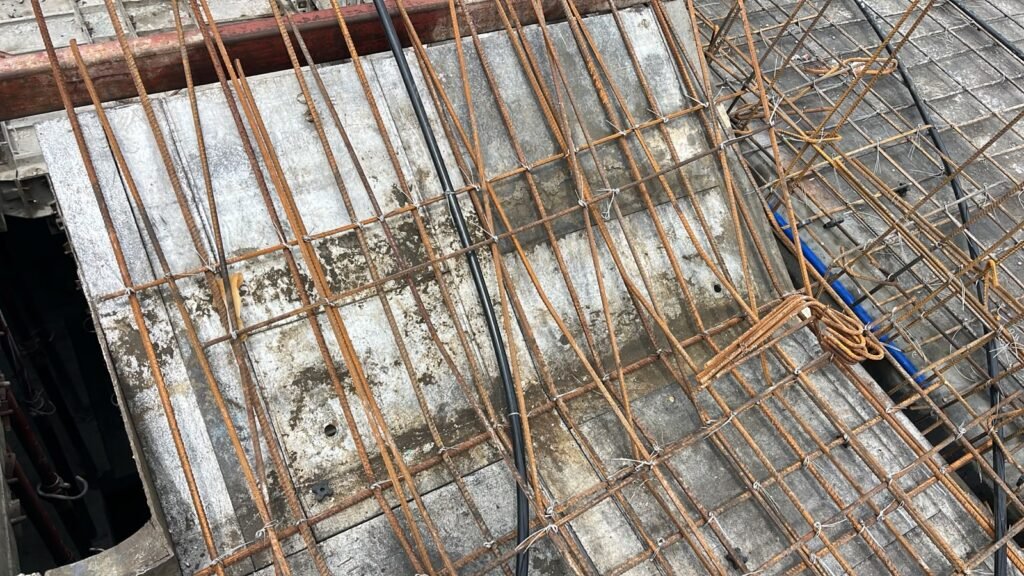
Aluminum panels are lightweight but can become damaged due to improper handling.
Causes
- Dropping panels during dismantling
- Improper stacking
- Excessive impact from tools
Impact
- Uneven wall surfaces
- Misalignment during assembly
- Concrete leakage at joints
How to Avoid It
- Train workers on proper dismantling procedures.
- Store panels on level timber supports.
- Inspect flatness before every reuse.
3. Concrete Leakage Through Panel Joints
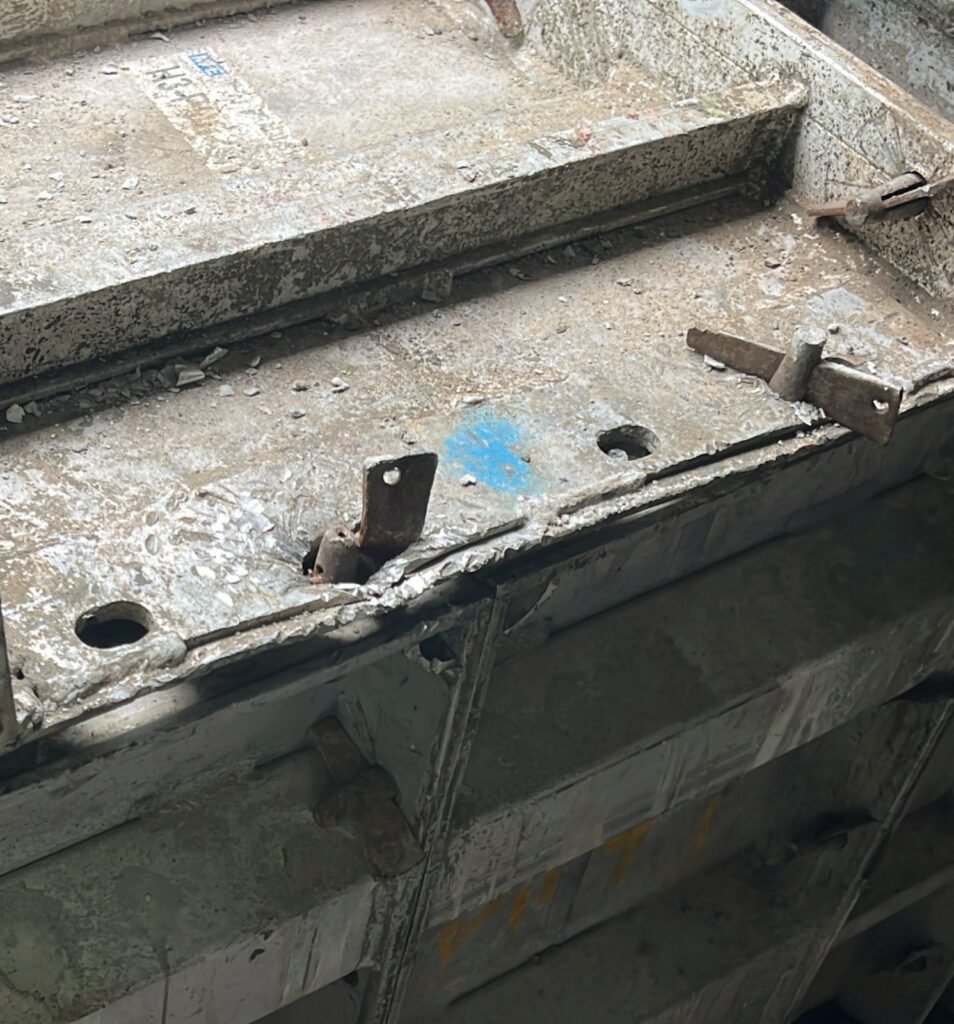
Leakage marks often become visible after the first pour.
Causes
- Loose wedges and pins
- Damaged panel edges
- Improper alignment
Impact
- Honeycombing
- Concrete fins
- Additional repair work
How to Avoid It
- Verify all wedge connections before pouring.
- Replace damaged accessories immediately.
- Conduct pre-pour inspections using a checklist.
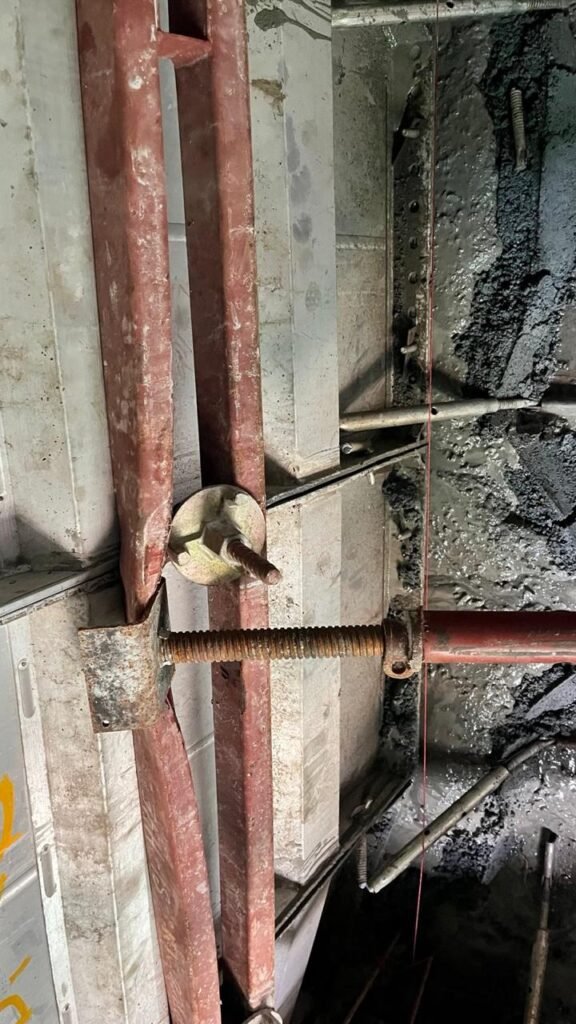
4. Damaged Pins and Wedges
Pins and wedges are critical components that maintain form work stability.
Causes
- Excessive hammering
- Poor storage practices
- Repeated reuse without inspection
Impact
- Loose connections
- Form work movement during pouring
- Safety concerns
How to Avoid It
- Use correct installation techniques.
- Replace worn-out components.
- Maintain adequate stock of spare accessories.
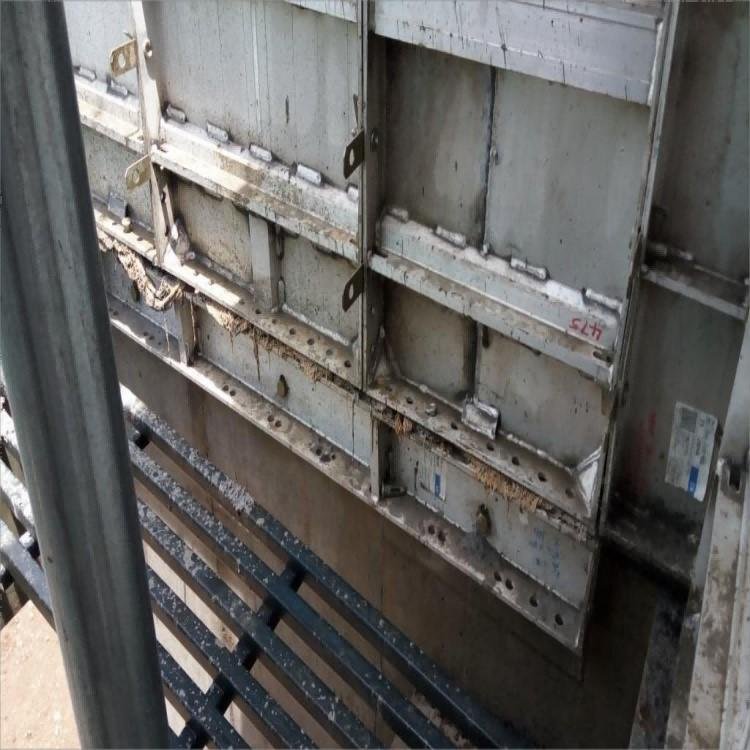
5. Misalignment of Walls and Columns
Verticality issues often originate during the first cycle.
Causes
- Improper plumbing
- Inadequate bracing
- Poor survey control
Impact
- Dimensional deviations
- Rework and corrective measures
- Reduced structural aesthetics
How to Avoid It
- Check alignment before concreting.
- Use laser levels or total stations.
- Verify plumbness at multiple locations.
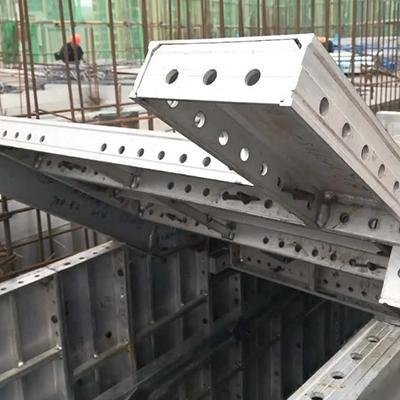
6. Damaged Corner Panels
Corners are highly susceptible to damage during stripping.
Causes
- Rough dismantling methods
- Improper lifting practices
Impact
- Irregular building corners
- Surface defects
- Additional finishing costs
How to Avoid It
- Remove corner panels carefully.
- Provide training to shuttering teams.
- Inspect corner components after every cycle.
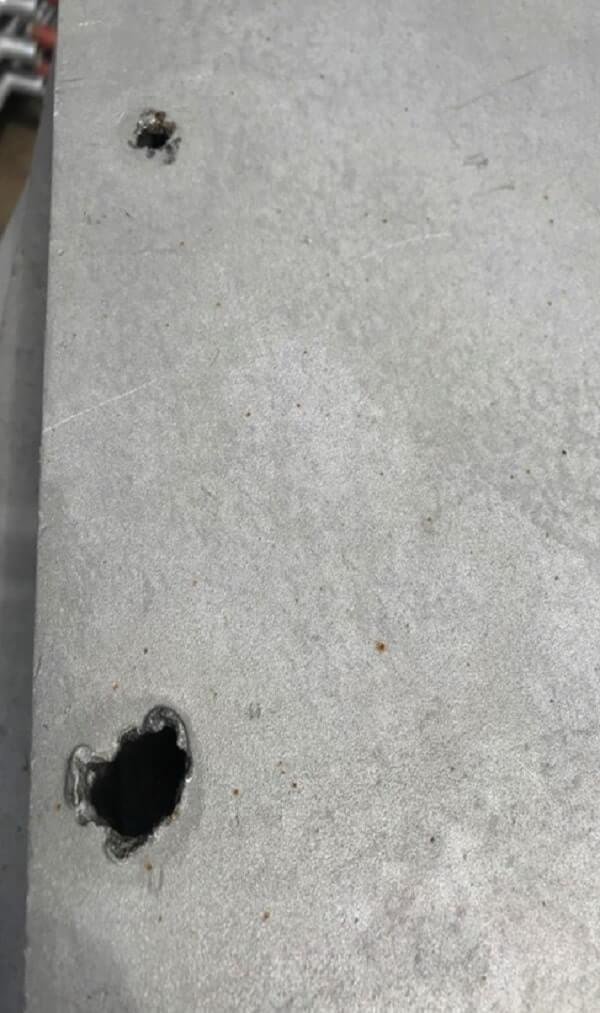
7. Kicker Alignment Issues
Kickers establish the position of subsequent walls.
Causes
- Incorrect installation
- Movement during concreting
Impact
- Wall offsets
- Alignment discrepancies
- Rework in upper floors
How to Avoid It
- Verify kicker dimensions before panel erection.
- Monitor movement during concrete placement.
- Conduct post-pour alignment checks.
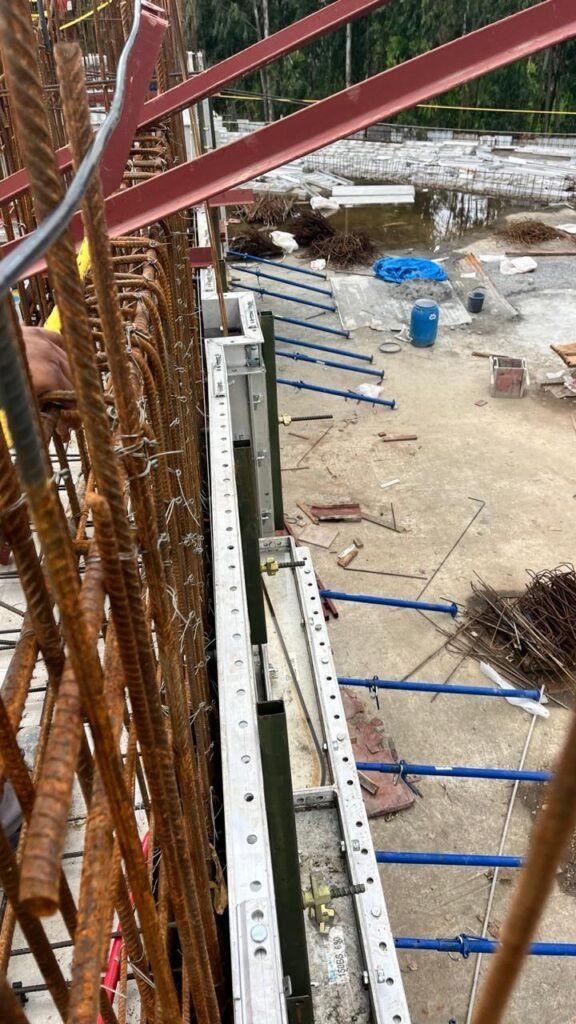
8. Damaged Slab and Deck Panels
Deck panels carry significant loads during construction.
Causes
- Material storage on form work
- Overloading by workers and equipment
Impact
- Uneven slab soffits
- Deflection issues
- Reduced panel life
How to Avoid It
- Follow load limitations.
- Avoid storing construction materials on deck panels.
- Inspect panels before reuse.
9. Bent Props and Support Systems
Supporting systems must remain structurally sound throughout the cycle.
Causes
- Overloading
- Improper adjustment
- Impact damage
Impact
- Slab settlement
- Safety risks
- Structural defects
How to Avoid It
- Conduct routine inspections.
- Remove damaged props immediately.
- Verify load capacities before installation.
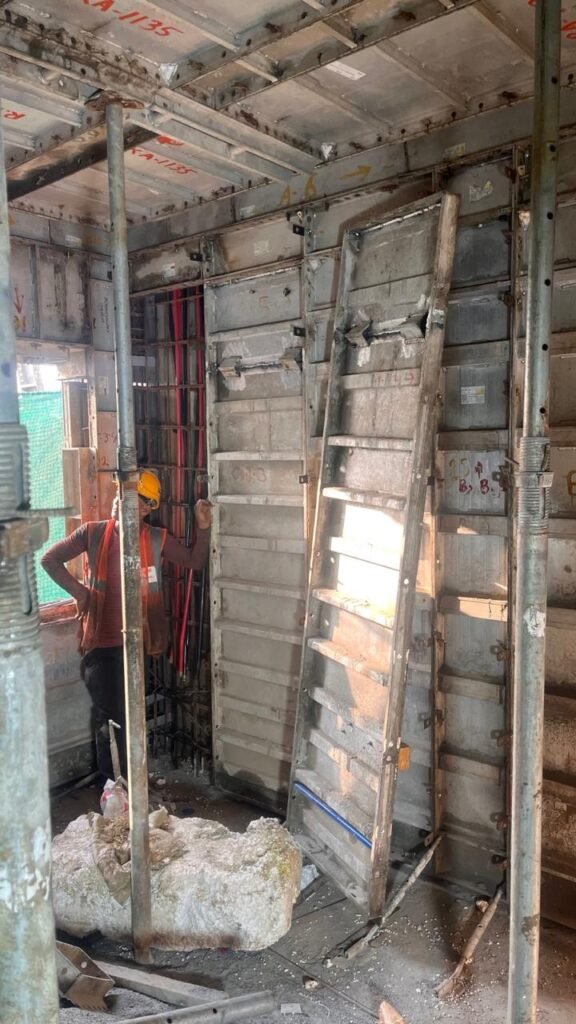
10. Poor Cleaning and Maintenance Practices
Many form work issues result from inadequate maintenance.
Causes
- Lack of maintenance procedures
- Insufficient supervision
- Time pressure
Impact
- Reduced productivity
- Increased repair costs
- Poor concrete quality
How to Avoid It
Implement a standardized maintenance process that includes:
- Cleaning
- Inspection
- Repair
- Storage
- Documentation
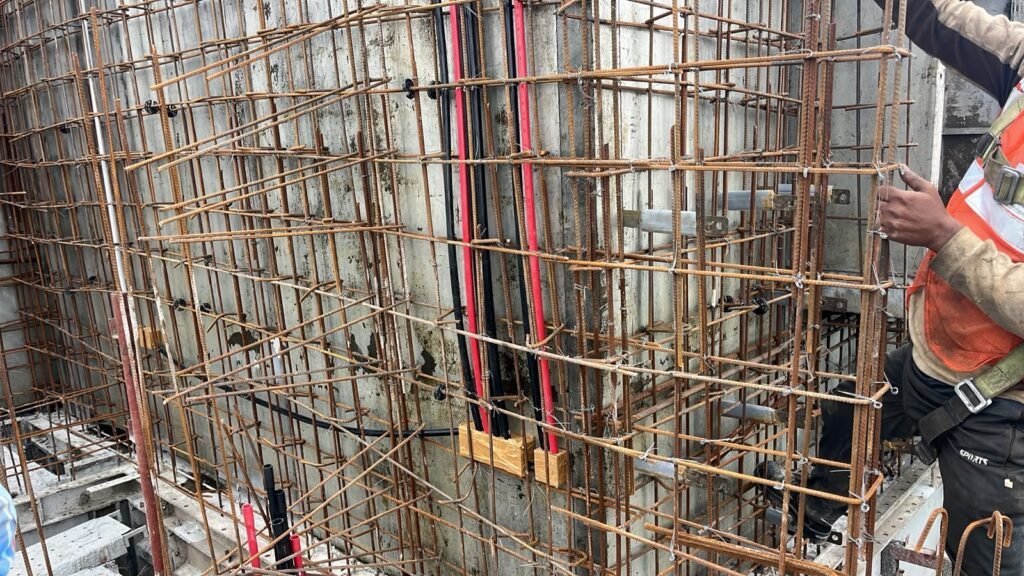
Recommended Post-Pour Inspection Checklist
After every pour, site engineers should inspect:
✓ Panel flatness
✓ Panel cleanliness
✓ Pins and wedges
✓ Wall ties
✓ Corner panels
✓ Deck panels
✓ Props and supports
✓ Alignment accessories
✓ Joint conditions
✓ Identification markings
Document all observations and repair damaged components before the next cycle.
Best Practices for Long-Term Form work Performance
To maximize the lifespan and performance of aluminum form work systems:
- Conduct pre-pour and post-pour inspections.
- Train workers on proper handling techniques.
- Maintain a dedicated storage area.
- Replace damaged accessories immediately.
- Use approved release agents.
- Monitor alignment throughout the construction process.
- Maintain detailed inspection records.
Conclusion
The first concrete pour provides a valuable opportunity to identify and correct aluminum form work defects before they become recurring problems. Issues such as concrete residue, panel deformation, leakage, alignment errors, and damaged accessories can significantly impact project quality, productivity, and cost if ignored.
By implementing a structured inspection and maintenance program, construction teams can extend form work life, improve concrete quality, reduce rework, and achieve faster construction cycles. For QA/QC engineers, site engineers, and project managers, proactive post-pour inspections are not merely a quality requirement—they are a critical investment in project success.
A well-maintained aluminum form work system delivers consistent results, minimizes defects, and supports the high-speed construction standards expected in modern building projects.
📋 Download the Complete Aluminum Form work (Mivan) Inspection Checklist
Want to eliminate costly form work mistakes before they impact your project?
Our Aluminum Form work (Mivan) Inspection Checklist is designed for Site Engineers, QA/QC Engineers, Consultants, Contractors, and Project Managers to ensure every form work cycle meets quality standards.
What’s Included?
- ✅ Pre-Pour Inspection Checklist
- ✅ Post-Strip Inspection Checklist
- ✅ Panel Alignment & Verticality Checks
- ✅ Pin, Wedge & Tie Inspection
- ✅ Concrete Leakage Prevention Checks
- ✅ Wall, Beam & Slab Form work Inspection
- ✅ Repair & Maintenance Guidelines
- ✅ Printable PDF + Editable Excel Format
Whether you’re working on a residential tower, commercial building, or large-scale infrastructure project, this checklist helps you reduce rework, improve concrete quality, and speed up your construction cycle.
👉 Download your Aluminum Form work Inspection Checklist today and build every pour with confidence.