
Buying a new flat is one of the most important financial decisions in life. After months or even years of waiting, receiving the keys to your dream apartment feels exciting. However, many home buyers make one major mistake during possession — they fail to inspect the flat properly before handover.
A newly constructed apartment may look perfect on the surface, but hidden construction defects, poor workmanship, plumbing issues, waterproofing failures, and electrical problems are very common during flat handover. Identifying these defects before taking possession can save buyers from expensive repairs and future disputes with builders.
A proper flat handover inspection ensures that the builder delivers the apartment according to promised quality standards. From wall cracks and hollow tiles to water leakage and faulty electrical points, every small detail must be checked carefully.
In this complete home inspection guide, we will discuss the most common defects found during flat handover, how to inspect a new flat before possession, and expert tips every home buyer should know.
Why Flat Handover Inspection Is Important
Most buyers focus only on location, design, amenities, and interiors while purchasing a property. But construction quality inspection during handover is equally important.
A detailed inspection helps you:
- Identify construction defects before possession
- Avoid future maintenance costs
- Ensure builder accountability
- Create a snag list for repairs
- Verify finishing quality
- Protect your investment
Once possession is accepted, builders may delay or avoid rectification work. That is why buyers should always inspect the flat carefully before signing handover documents.
1. Wall Cracks and Plaster Defects
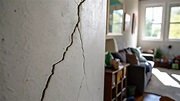
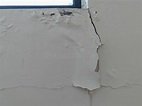
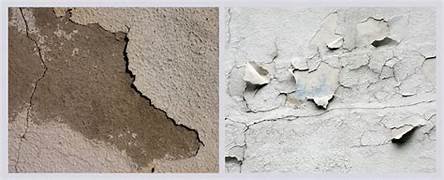
Wall cracks are among the most common defects found during apartment handover. Small hairline cracks may occur due to plaster shrinkage, but large cracks near beams, columns, doors, or windows can indicate structural or workmanship issues.
What to Check
- Cracks near windows and corners
- Uneven plaster finish
- Hollow sound while tapping walls
- Paint bubbles or peeling
- Damp patches on walls
Why It Happens
- Poor curing process
- Low-quality plaster work
- Structural movement
- Moisture penetration
If ignored, cracks can increase over time and affect aesthetics and durability.
2. Flooring and Tile Installation Problems
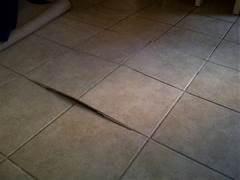
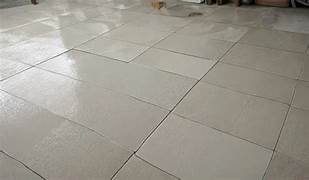
Poor tile installation is a common issue in newly constructed flats. Uneven tiles, hollow flooring, broken edges, and improper slopes are frequently found during possession inspections.
Common Flooring Defects
- Hollow tiles
- Cracked flooring
- Uneven tile joints
- Lippage between tiles
- Improper bathroom slope
Inspection Tips
Walk across every room and tap tiles gently using a coin or wooden object. Hollow sounds may indicate improper adhesive bonding.
Check whether bathroom and balcony floors slope properly toward drain outlets to prevent water stagnation.
3. Water Leakage and Plumbing Defects
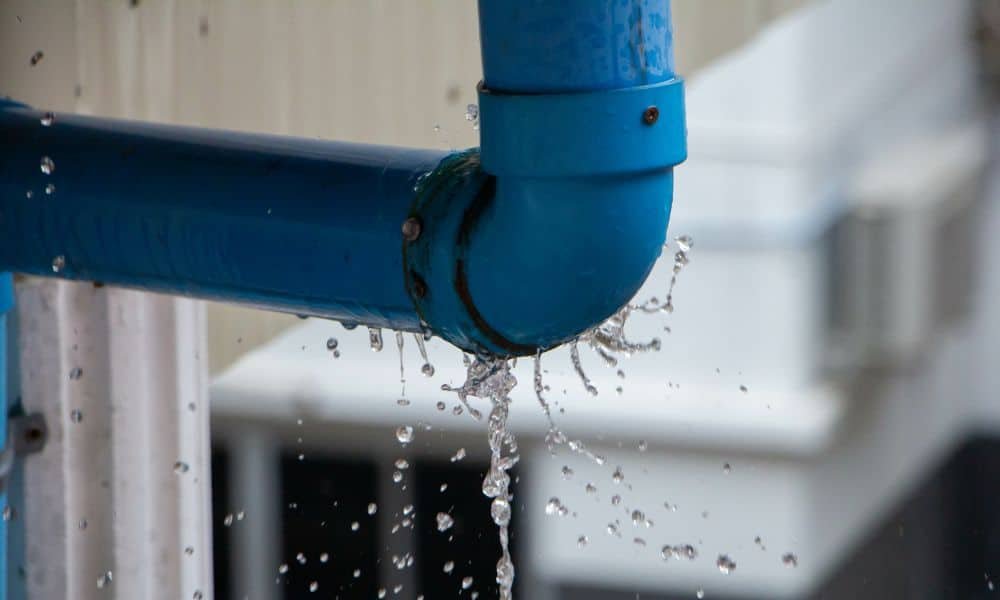
Plumbing defects can become major maintenance problems if not identified during flat handover. Bathrooms, kitchens, utility areas, and balconies should be inspected thoroughly for leakage and drainage issues.
Common Plumbing Problems
- Pipe leakage
- Water seepage near joints
- Low water pressure
- Blocked drainage lines
- Water stagnation
How to Inspect
- Turn on all taps and showers
- Flush toilets multiple times
- Check washbasin drainage
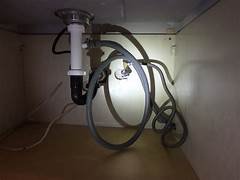
- Inspect under sinks for leaks
- Observe water flow in balconies and bathrooms
Leakage problems can damage interiors, furniture, and electrical systems over time.
4. Waterproofing Failures and Dampness
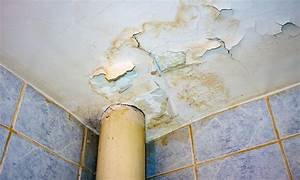
Waterproofing defects are serious issues that can reduce building life and create unhealthy living conditions.
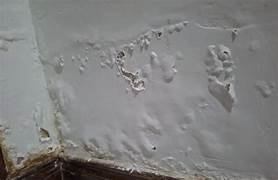
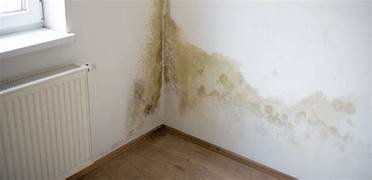
Signs of Waterproofing Problems
- Damp ceiling patches
- Mold growth
- Paint peeling
- Water stains
- Musty smell
Areas to Inspect
- Bathrooms
- Balcony corners
- Kitchen sink areas
- Exterior walls
- Ceiling slabs
Poor waterproofing can lead to seepage during monsoon seasons, especially in high-rise apartments.
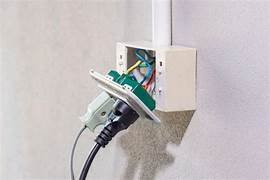
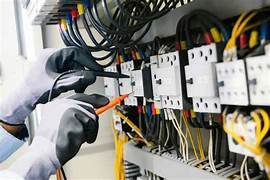
5. Electrical Defects in New Flats
Electrical systems should be tested carefully before taking possession. Faulty wiring and improper installations can create safety hazards.
Common Electrical Issues
- Loose switches
- Non-working sockets
- Exposed wiring
- Improper earthing
- Faulty MCB distribution board
Electrical Inspection Checklist
- Test all lights and fans
- Check power sockets
- Verify inverter points
- Inspect DB labeling
- Test exhaust fans and geyser points
Buyers should also ensure proper load distribution and branded electrical fittings.
6. Door and Window Alignment Issues
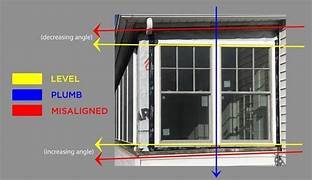
Poorly installed doors and windows affect usability, safety, and insulation.
Common Problems
- Misaligned frames
- Difficulty closing doors
- Gaps around windows
- Damaged locks
- Glass scratches
Inspection Tips
Open and close every door and window multiple times. Ensure locks function smoothly and no gaps are visible.
7. False Ceiling and Interior Finish Defects
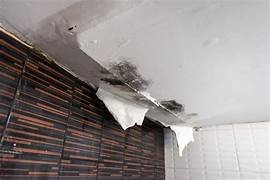
Modern apartments often include gypsum false ceilings and decorative finishes. Poor workmanship can lead to visible defects.
What to Inspect
- Uneven ceiling joints
- Cracks in POP finish
- Loose panels
- Paint inconsistency
- Improper lighting alignment
Check corners carefully for finishing quality and alignment.
8. Kitchen Defects During Flat Handover
The kitchen is one of the most functional spaces in a flat and requires detailed inspection.
Common Kitchen Issues
- Loose counter top fixing
- Cabinet alignment problems
- Sink leakage
- Poor tile finishing
- Chimney duct gaps
Checklist
- Open all cabinets
- Check counter top level
- Test sink drainage
- Inspect plumbing lines
- Verify electrical points
9. Bathroom Inspection Defects
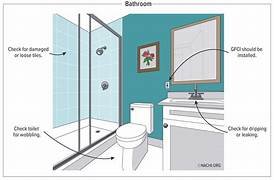
Bathrooms are highly prone to workmanship defects due to continuous water exposure.
Common Bathroom Problems
- Improper slope
- Leakage around fittings
- Broken fixtures
- Loose accessories
- Poor grouting
Bathroom Testing Tips
Pour water across the floor and observe drainage flow. Water should move toward floor traps without stagnation.
10. Balcony and Utility Area Problems
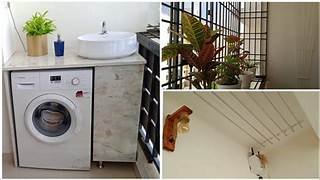
Balconies are exposed to weather conditions and often develop waterproofing and drainage defects.
What to Check
- Water drainage slope
- Railing stability
- Tile cracks
- Waterproofing condition
- Utility plumbing lines
Inspect balcony edges carefully for seepage signs.
11. Poor Paint and Finishing Quality
Finishing quality directly affects the overall appearance of the apartment.
Common Paint Defects
- Roller marks
- Shade variation
- Paint bubbles
- Surface unevenness
- Stain marks
Natural lighting helps identify paint inconsistencies more effectively.
12. Ventilation and Airflow Issues
Proper ventilation is important for healthy indoor living.
Inspection Points
- Window positioning
- Exhaust fan provision
- Natural light availability
- Cross ventilation
Poor ventilation can lead to moisture buildup and discomfort.
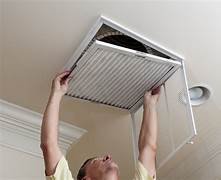
Essential Tools for Flat Handover Inspection
Buyers can carry simple tools during inspection for better accuracy.
Recommended Tools
- Measuring tape
- Mobile flashlight
- Phone charger for sockets
- Marble or ball for slope testing
- Notepad for snag list
- Moisture detector (optional)
Professional snag inspection services can also help identify hidden issues.
What Is a Snag List?
A snag list is a document containing all defects and incomplete works identified during handover inspection.
Benefits of a Snag List
- Helps track pending repairs
- Creates written proof
- Improves builder accountability
- Ensures proper rectification
Always share the snag list officially with the builder before accepting possession.
Expert Tips Before Taking Possession of a Flat
1. Inspect During Daylight
Natural light helps identify cracks, paint defects, and finishing issues clearly.
2. Do Not Rush Possession
Take sufficient time to inspect every room carefully.
3. Test Everything
Operate all fittings, switches, taps, and fixtures.
4. Take Photos and Videos
Document all defects for future reference.
5. Hire a Professional Inspector
For premium properties, professional inspection services can be valuable.
Final Thoughts
A flat handover inspection is not just a formality — it is a critical quality check before taking ownership of your new home. Even luxury apartments can have hidden construction defects, plumbing failures, electrical issues, and poor finishing work.
By carefully inspecting the property before possession, buyers can ensure better construction quality, avoid future repair expenses, and hold builders accountable for defects.
Before signing possession documents, always create a detailed snag list, test all systems properly, and verify that the apartment meets promised standards. A few hours spent on inspection today can save years of maintenance problems in the future.
Frequently Asked Questions (FAQs)
What are the most common defects found during flat handover?
Wall cracks, hollow tiles, plumbing leakage, electrical defects, waterproofing failures, and paint issues are the most common problems.
How long does a flat inspection take?
A proper inspection usually takes 2–4 hours depending on apartment size.
Can builders refuse repairs after possession?
Some builders may delay rectification after possession, which is why defects should be documented before signing handover documents.
Should I hire a professional home inspector?
Yes, professional inspectors can identify hidden construction and MEP defects more accurately.
What is the defect liability period in apartments?
The defect liability period is the duration during which builders are responsible for fixing certain construction defects after handover.


Pingback: Work Inspection Checklist Download – Construction Quality Control 2026 - qualconn
Pingback: uPVC Vendor QA-QC Checklist Download 2026 - qualconn
Pingback: Important Flat Handover Checks & Legal Documents to Protect Your Home - qualconn